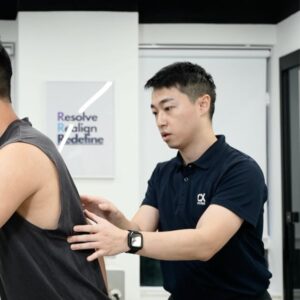
Targeted Lower Back Pain Resolution
in Central
Go beyond temporary relief. Utilizing our 3-phase clinical protocol, we decode the exact biomechanical drivers of your lumbar pain to decompress restricted joints, restore pelvic alignment, and rebuild your kinetic stability.
Does This Sound Like Your Pain?
Lower back pain rarely feels exactly the same for everyone. If you are experiencing any of these distinct mechanical patterns, you are in the right place.
⏱️
Morning Rigidity & Stiffness
Intense tightness, restricted mobility, or a deep, dull ache during the first 30 minutes of waking that slowly eases as your body warms up.
⚡
The Mechanical "Catch"
A sharp, localized pinch or locking sensation in your lower spine when transitioning from sitting to standing, particularly after prolonged desk work.
📉
Radiating Nerve Tension
A heavy, lingering ache, tingling, or electrical tension traveling from your lumbar spine down into the glutes, hamstrings, or calves.
"I need an MRI scan or weeks of bed rest before I can safely start physiotherapy."
Scans Don’t Equal Pain: Over 85% of lower back pain is driven by mechanical joint locking and motor inhibition. In fact, studies show 30% to 40% of pain-free individuals have disc bulges on their MRI, proving static images rarely capture the true root cause.
Active Assessment Over Rest: Prolonged bed rest accelerates muscle atrophy and starves spinal discs of hydration. A functional movement screen decodes your exact biomechanical driver immediately, avoiding costly diagnostic delays.
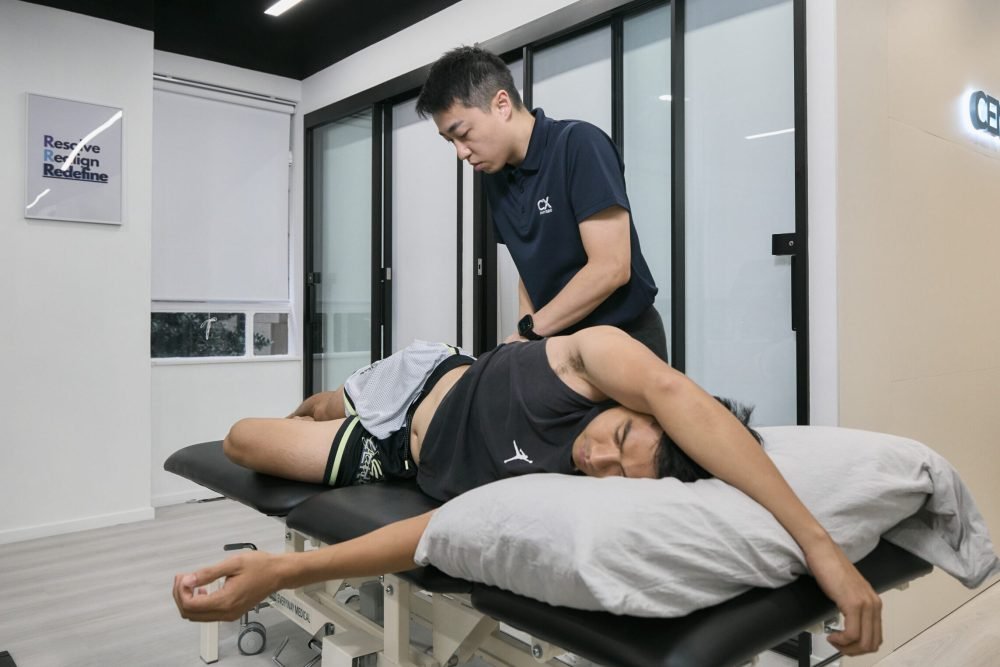
How We Decode & Treat Lower Back Pain
Root Cause & Underlying Mechanisms
Accumulated Kinetic Micro-Trauma
Chronic back pain is rarely caused by a single sudden movement. It typically stems from months or years of subtle pelvic tilting, weak deep core stabilizers (transverse abdominis and multifidus), and prolonged desk sitting.
Biomechanical Compensation
When primary core stabilizers inhibit, secondary lumbar erectors and hip flexors overwork to maintain posture. This leads to continuous muscle guarding, facet joint compression, or disc protrusion.
Rehabilitation Strategy & Best Practices
Avoid Passive-Only Treatments
Temporary cracking or heat packs provide transient relief without altering faulty movement mechanics.
The 3-Phase Approach
Resolve
Decompress lumbar facet joints and release hypertonic hip, gluteal, psoas and piriformis muscles via targeted manual therapy or dry needling.
Realign
Restore true pelvic centration and rotational symmetry.
Redefine
Retrain deep core motor control and gluteal engagement under controlled load.
Recovery Timeline & Prognosis
Immediate Relief (1–2 Weeks)
Significant reduction in acute guarding, muscle spasms, and localized pain as joint pressure and tissue inflammation decrease.
Structural Reprogramming (4–8 Weeks)
Tissue remodeling and neuromuscular motor control retraining take 4 to 8 weeks of consistent, progressive stabilization protocols.
Your Lower Back Pain Specialist in Central
🇦🇺 🇭🇰
10+ Years International Practice
Registered in Australia and Hong Kong with over a decade of clinical focus on spinal mechanics, posture, and musculoskeletal rehabilitation.
🎯
100% Dedicated 1-on-1 Protocol
No excessive use of passive machines, no heat packs, and no assistants. Every session is a focused, hands-on mechanical assessment and treatment tailored strictly to you.
🛡️
Permanent Structural Autonomy
We target the root motor inhibition rather than temporary symptom masking, equipping you with micro-habits for long-term relapse prevention.
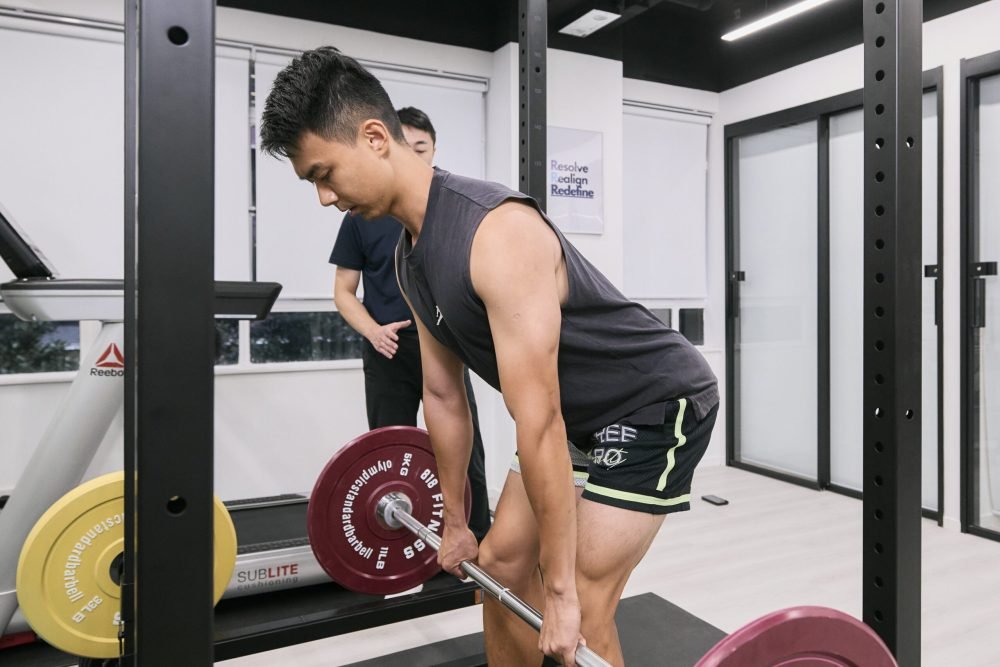
What to Expect in Your CXP Session
& Daily Care
Clinical Experience & What to Expect
Targeted 1-on-1 Intervention
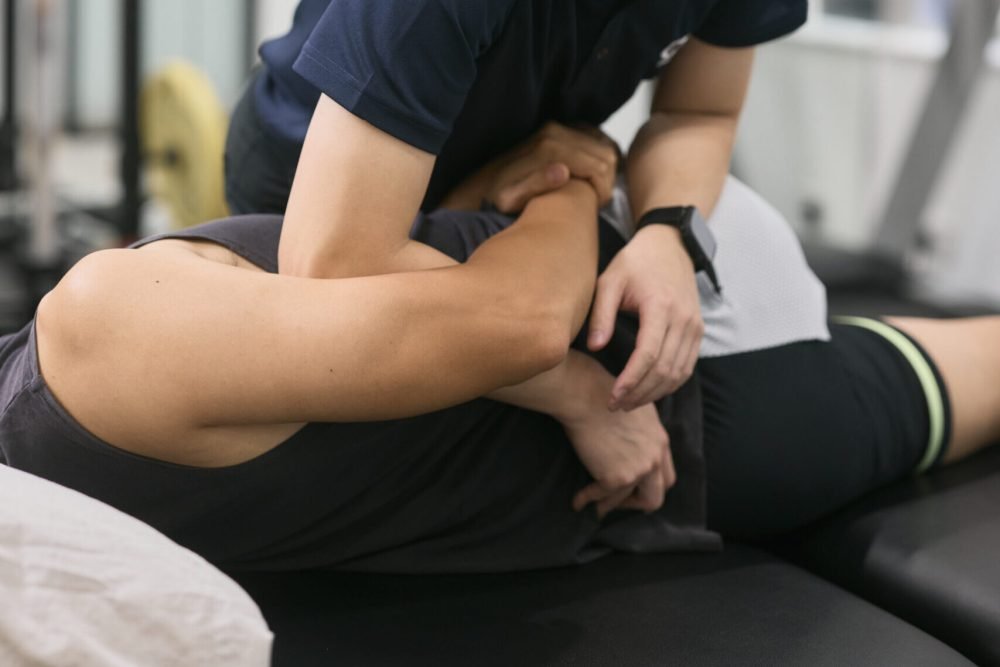
Expect precise joint mobilization, myofascial release, or dry needling tailored strictly to your symptom tolerance limit.
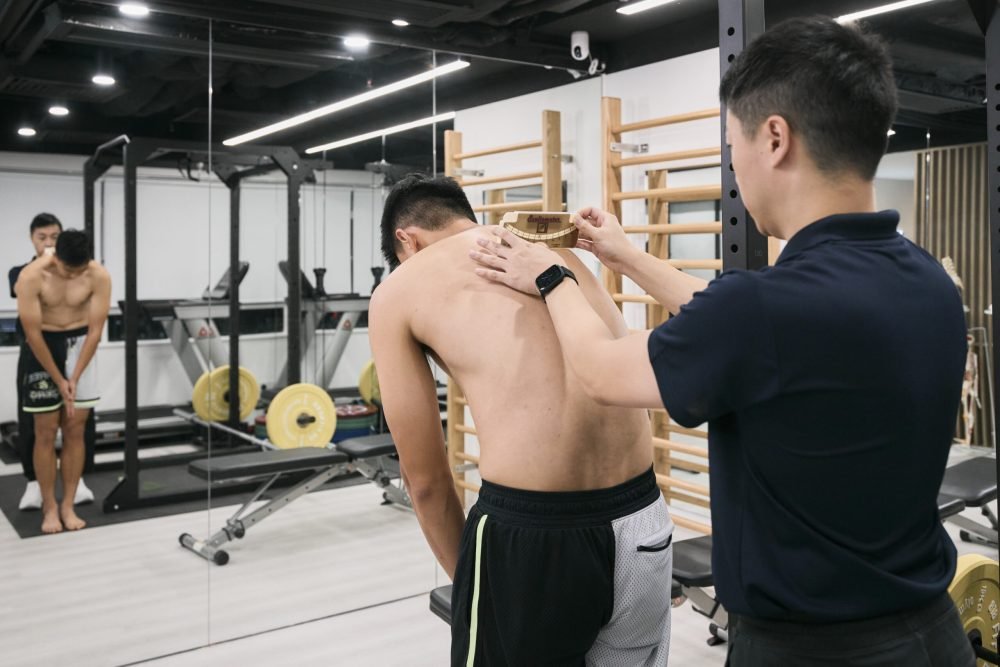
Quantitative Pre & Post Re-Testing
Sessions start with a 5-minute movement baseline check and end with an immediate re-test to objectively verify pain reduction and restored range of motion.
Daily Precautions & Activity Modifications
Avoid
Sustained, repeated slouched spinal flexion (rounding the lower back) under heavy load or prolonged static sitting beyond 45 minutes without a break.
Modify
Ergonomic & Posture Support: Maintain optimal biomechanical posture, utilizing a firm lumbar support roll during early rehab stages.
Active Mobility & Hydration: Preserve disc elasticity through proper hydration, and replace total bed rest with gentle, pain-free walking.
Relapse Prevention & Long-Term Maintenance
Permanent Resolution
Relapses only occur if the underlying motor pattern is left uncorrected.
Daily Movement Hygiene
Once active rehabilitation is complete, long-term maintenance requires only 2 to 3 minutes of daily mobility drills (e.g., hip hinges and cat-cow variations) integrated into your morning routine.
“I had severe lower back pain… to the point where I could barely stand up straight or sit for more than an hour. What set him apart was that he didn’t just relieve the pain, like other physiotherapists might; he also gave me great advice to address the root cause… The outcome was amazing, I feel better now than I did even before the injury.”
Esteban R.
Technologist
Common Inquiries
Everything you need to know before your CXP sessions.
Why does my lower back pain keep returning despite stretching, massage, or generic core exercises?
These traditional methods only offer temporary symptom relief because they target the site of the pain, not the mechanical source. We assess your entire 3D kinetic chain to identify and permanently correct the hidden pelvic torsion or joint locking that is actually forcing your lower back to overcompensate.
Can you resolve severe issues like sciatica, nerve pain, or diagnosed disc bulges?
Yes, our core expertise lies in complex spinal mechanics and structural rehabilitation. By precisely decompressing the affected joints and realigning your structural baseline, we successfully remove the mechanical pressure on your nerves—often helping patients avoid invasive injections or surgery.
Will this treatment still work if I have to sit at a desk in Central for 10 hours a day?
Absolutely; while we cannot change your demanding office hours, our clinical methodology fundamentally rebuilds how your body handles them. We restore your deep structural resilience so your spine can effortlessly withstand prolonged sitting and high-intensity training without breaking down.
Eliminate Lumbar Stiffness & Restore Peak Function
Don’t let mechanical joint locking or disc compression dictate your workday. Secure a direct 1-on-1 session with our specialist in Central and experience targeted decompression from day one.
HK Registered Physiotherapists • Central Clinic • by appointment only